

Brains of autistic individuals have fewer of a specific kind of glutamate receptor, supporting an idea that autism is driven by a signaling imbalance. Read more
Yalenews - Dec 22
Changes in our grey matter are clustered in these eras of transition. We spoke to four people living through them Read more
The Times - Dec 20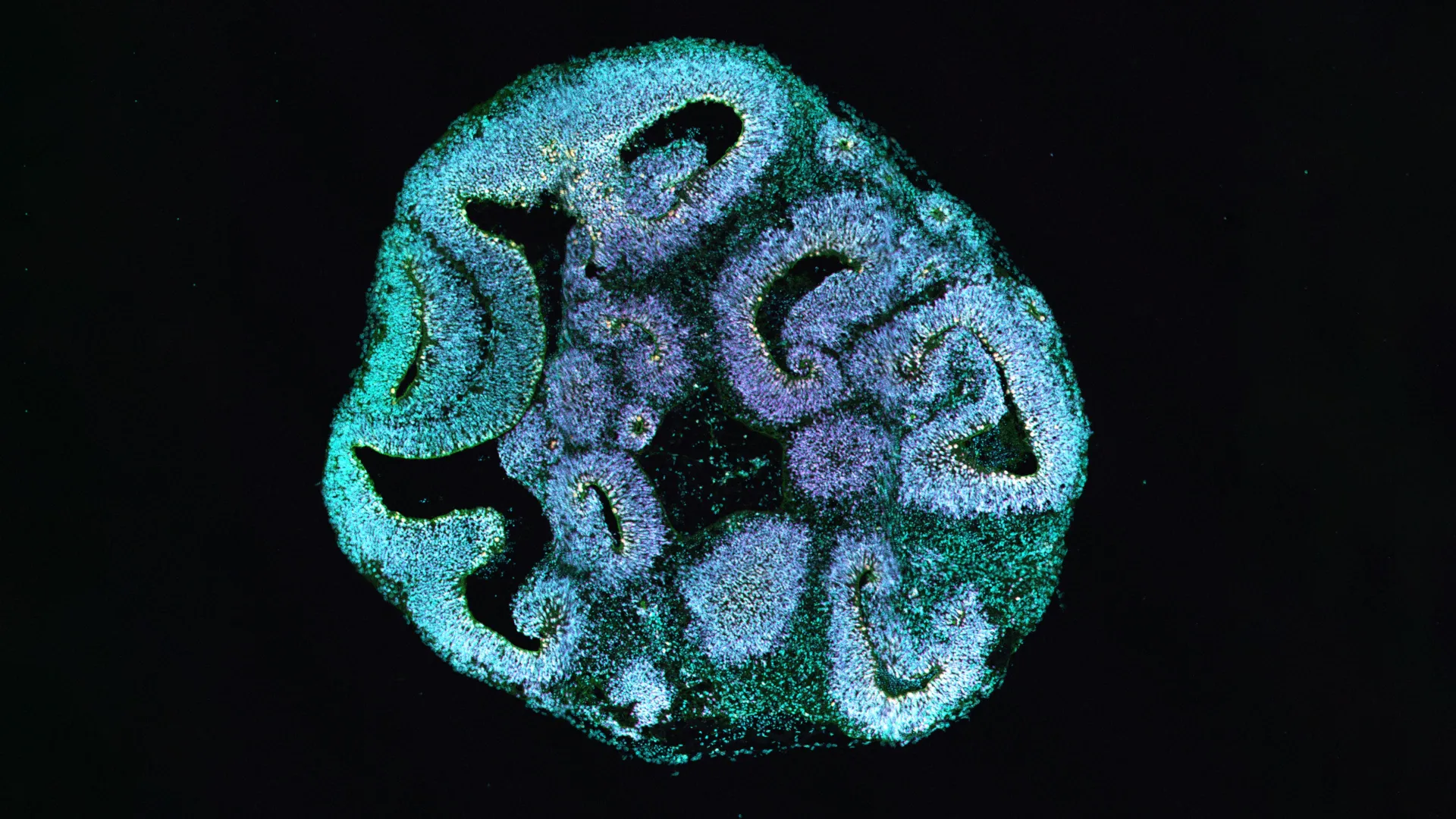
Researchers used miniature human brains grown in the lab to uncover why certain genetic mutations lead to abnormally small brains. Changes in actin disrupted the orientation of early brain cell divisions, causing crucial progenitor cells to disappear too soon. This reduced the brain’s ability to ... Read more
Science Daily - Dec 17
A new UCLA study finds hormone therapy could protect women's brains as they age. Read more
Abc7 - Dec 05
Scientists studying young adults with obesity discovered early indicators of brain stress that resemble patterns seen in cognitive impairment. The group showed higher inflammation, signs of liver strain and elevated neurofilament light chain, a marker of neuron injury. Low choline levels appeared... Read more
Science Daily - Nov 27
What does neuroscience tell us about the differences between women's and men's brains? The story isn't as clear as you may think. Read more
Forbes - Nov 23
If there’s one category that’s truly evolved in my column, it’s dashcams. I’ve reviewed enough of them to fill a glovebox, yet they still manage to surprise me — mostly in how they blend into the car rather than dominate it. Read more
Belfast Telegraph - Nov 16
The research team will observe mice treated with mefloquine, a malaria drug no longer prescribed due to serious side effects, for two weeks and observe their brains and behaviour. Read more
Euronews - Nov 03
One in five people will develop dementia in their lifetime, but there are early signs that there could be a cure or treatment for the disease in the future. Read more
Birmingham Live - Nov 01
While not everyone with attention-deficit/hyperactivity disorder (ADHD) is creative, there are a lot of creative people with neurodivergent brains. Now, new research suggests this could be due to the way our minds wander.Continue ReadingCategory: ADHD & Autism, Brain Health, Body and MindTags: Ra... Read more
New Atlas - Nov 01